The world of interior design is moving towards a more thoughtful, personal, and sustainable future. The trends for 2025 reflect a collective desire for comfort, connection, and well-being, moving away from fast furniture towards pieces that tell a story and stand the test of time. The overarching theme is one of “Conscious Comfort,” a blend of sustainability, personalized expression, and a renewed focus on creating havens that support our mental and physical health.
Key Materials Celebrate Tactility and Origin
The desire for a grounded, sensory experience is driving the choice of materials. Texture is paramount. We see a strong preference for matte and raw finishes over high-gloss surfaces, allowing the innate character of the material to shine. Sustainable wood, particularly in mid-tone shades like walnut and oak, like this super king size bed with storage drawers, remains a favourite for its warmth and versatility. Stone, especially in slab forms for tables and countertops, makes a dramatic statement, with its unique veining celebrated as a natural work of art. Beyond wood and stone, there is a growing appreciation for crafted materials such as rattan, cane, and fluted glass, which add depth and artisan character.
The Dominant Aesthetics Blur the Lines
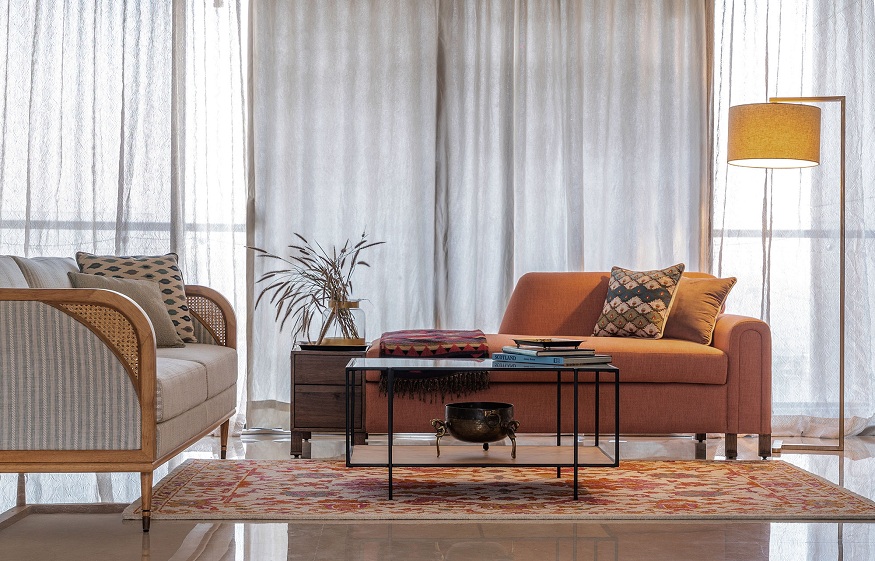
Forget strict stylistic rules. The most compelling interiors of 2025 will masterfully mix influences to create a space that feels uniquely personal. Warm Minimalism is softening the edges of stark modern design, incorporating organic curves, textured fabrics like bouclé and linen, and a rich, earthy colour palette to create an atmosphere of quiet luxury. This approach prioritizes quality over quantity, where each piece is chosen with intention. This seamlessly connects with the enduring appeal of the Modern Organic style, which focuses on bringing the outdoors in through raw wood, stone, and rattan, celebrating natural imperfections.
Colours and Finishes Draw from Nature and Nostalgia
The colour palette for 2025 is a direct reflection of the need for calm and connection. Earth tones form the foundational neutral base, with shades of clay, terracotta, warm beige, and olive green creating a soothing and grounded environment. These are increasingly paired with richer, deeper hues like chocolate brown and forest green, which add a sense of intimacy and sophistication. While neutrals dominate, accents of soothing blues and lavender are used to promote tranquillity. In terms of finish, the shift is decisively towards warmth; brushed brass, unlacquered brass that develops a patina over time, and blackened steel are replacing cooler chrome and nickel, contributing to a more lived-in and personal feel.